CNC Aluminium Cutting: Which Machine Suits Profiles, Sheets and Cladding?
Aluminium comes in many forms: window profiles, sheets and cladding, and each form needs a different cutting machine. This guide shows which CNC machine suits your work and why.

In this article
Many customers write to us "I want a CNC aluminium cutting machine", and the first thing we ask back is: what form is the aluminium you cut? Cutting a window profile is different from cutting an aluminium sheet, and different again from cutting a cladding panel for a shop front, and each needs its own machine.
In this guide we go through the three forms most common in the Saudi market, the right machine for each, and the mistakes that come up with aluminium in particular.
Three forms of aluminium, three machines
| Aluminium form | Suitable machine | Most common uses |
|---|---|---|
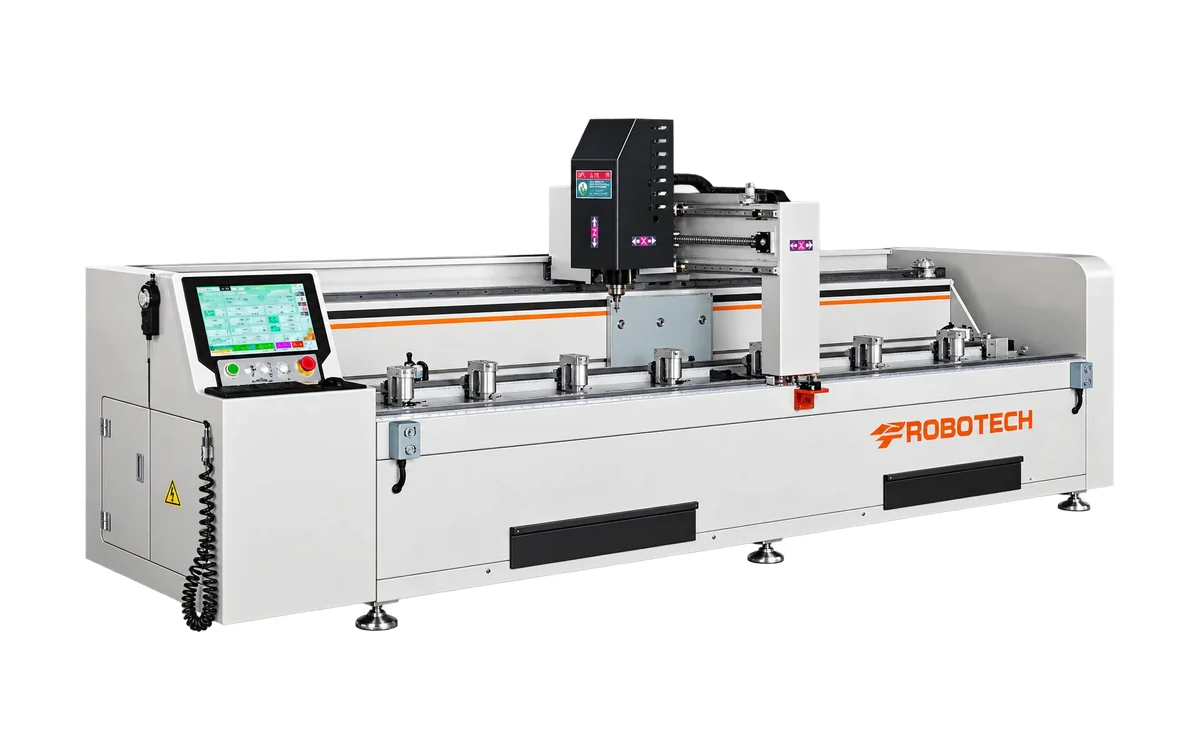
| Profiles (sections) | Double-head saw or CNC cutting centre | Windows, doors and glass curtain walls |
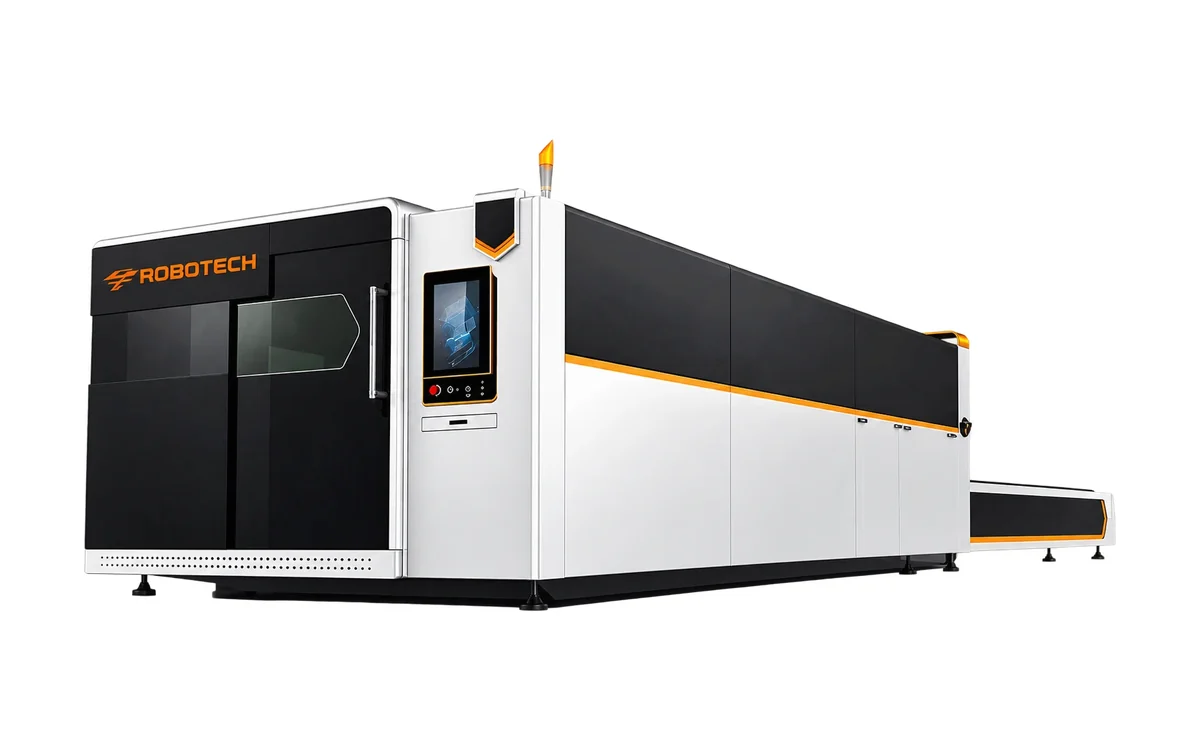
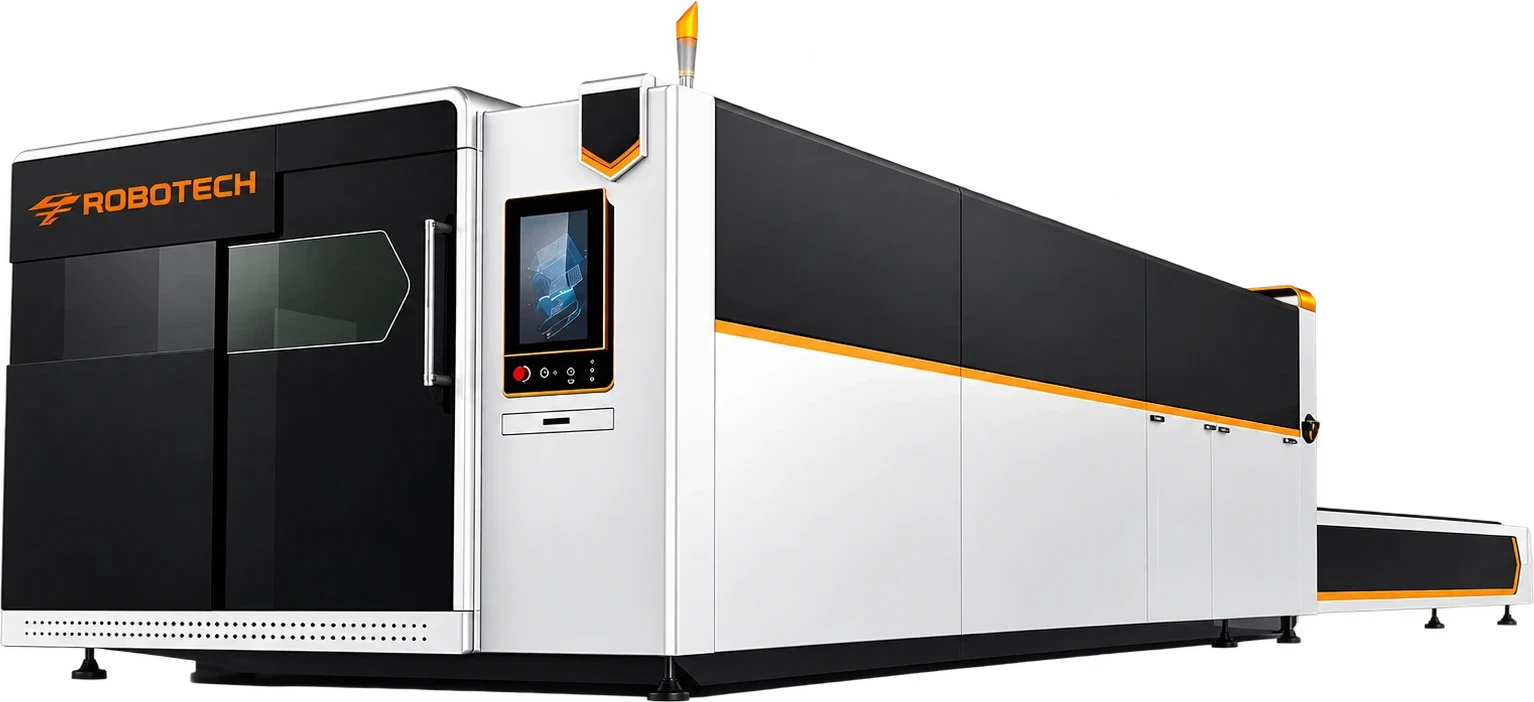
| Solid sheet | Fiber laser | Signs, letters, industrial parts and metal décor |
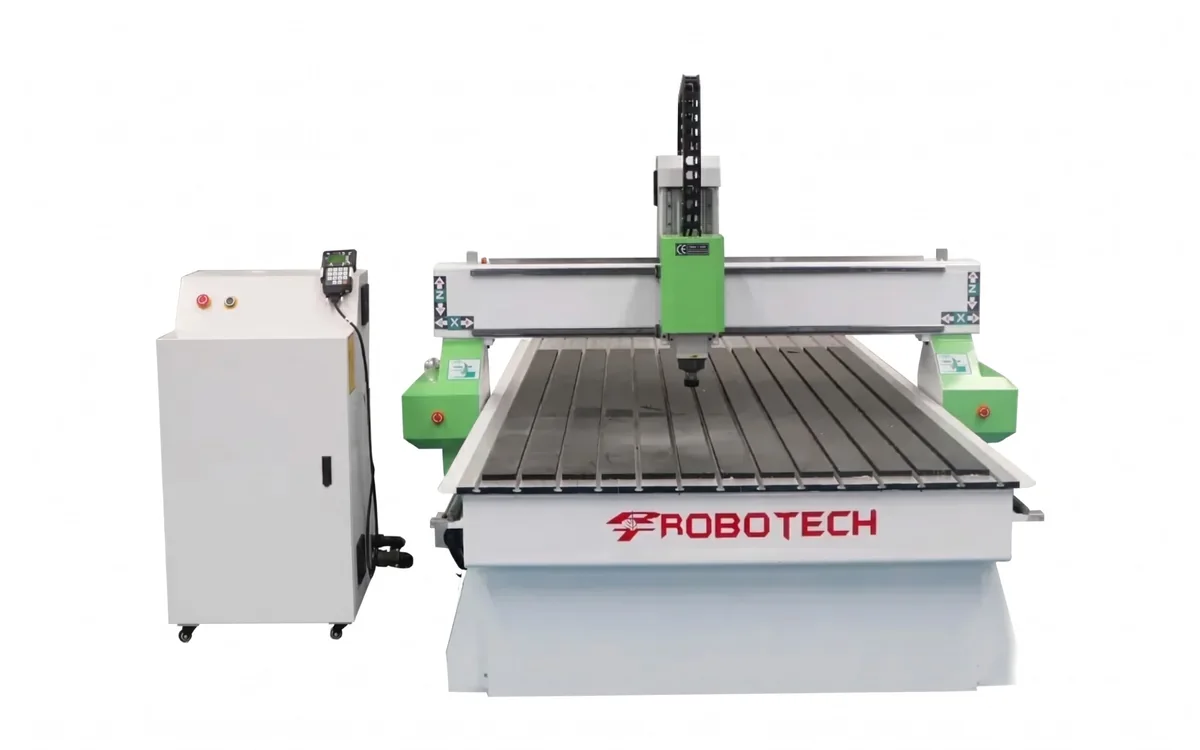
| Composite panels (cladding) | CNC router | Shop and building façades and large signs |
Some factories need more than one form, such as a façade factory cutting both profiles and cladding, and the solution there is two specialist machines rather than one machine doing everything at half the efficiency.
Cutting aluminium profiles for windows and doors
A profile is a long section (usually about 6 metres) that must be cut to an exact length and angle, because any error leaves a gap in the window corner after assembly. That is why lasers and routers don't suit it; it needs dedicated saws:
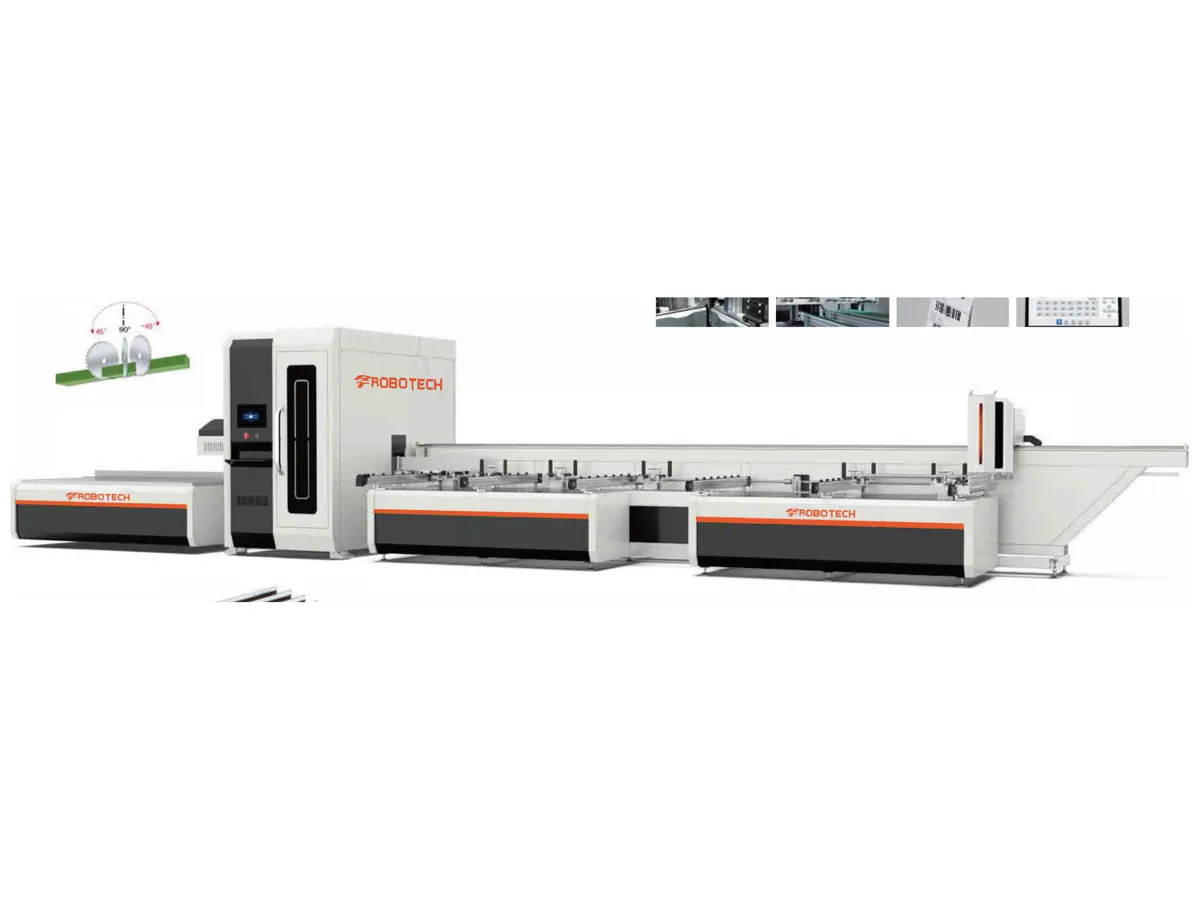
- Double-head saw: cuts both ends at 45° or 90° in the same stroke, and is the basis of every window factory. Digital models set the length from the screen.
- CNC cutting centre: reads the cutting list and cuts automatically in order, printing a barcode label for each part, suited to high volume and contractor projects.
- Bead and corner saws: for cutting glazing beads and corner cleats in short lengths.
Model details are on the aluminium profile cutting machines page, and after cutting comes drilling and milling on the aluminium CNC machining centres.
Cutting aluminium sheet with a fiber laser
For solid aluminium sheet, a fiber laser is the most accurate and fastest choice: it cuts complex shapes, letters and small holes with a clean edge, and nests parts on the sheet to reduce waste.
Why is aluminium harder than steel for a laser?
- It reflects the beam: aluminium's shiny surface reflects part of the energy, so it needs more power than steel at the same thickness.
- It conducts heat quickly: heat spreads through the sheet fast, so cutting needs accurate settings to avoid dross under the part.
- It needs nitrogen: nitrogen cutting gives a bright edge with no oxidation, and compressed air is an economical option for thin sheet.
| Power | Approximate maximum aluminium thickness |
|---|---|
| 1000 – 1500 W | Up to 3 – 4 mm |
| 2000 – 3000 W | Up to 6 – 10 mm |
| 6000 W | About 16 mm |
| 12000 W and above | 25 mm and more |
These are approximate maximums, and comfortable daily production is clearly below them. To set the right power, read how many watts you need in a fiber laser.
Cutting cladding and composite panels with a router
A cladding panel (aluminium composite) is two thin aluminium skins with a plastic core, used on shop and building façades and signs. This panel suits a CNC router better than anything else, because it does two jobs:
- Cutting to size and shape: raised letters, signs and façade parts.
- V-grooving: cuts a line into the back of the panel without cutting through the face, so the panel folds by hand into a sharp corner and becomes a box or a façade edge.
A router can also cut thin aluminium sheet with a bit made for aluminium (usually single-flute to clear chips) and set speeds, but for high volumes of solid sheet a fiber laser is faster and cleaner.
How to choose the right aluminium cutting machine
- Identify the aluminium form: profile, solid sheet or cladding.
- Identify your usual thickness: the thickness that makes up most of your work, not the rare largest one.
- Work out the production volume: high volume justifies automatic machines such as CNC cutting centres.
- Decide the edge quality you need: a visible edge on a façade is different from a hidden part inside a frame.
- Prepare the site: enough length for profiles, a 380 V supply, an air compressor and extraction.
| Business | Main machine | Addition as you grow |
|---|---|---|
| Aluminium window and door factory | Double-head saw | CNC cutting centre and machining centre |
| Sign and façade shop | CNC router | Fiber laser for aluminium and stainless letters |
| Metal parts factory | Fiber laser | Press brake |
| Glass curtain wall contractor | Double-head saw and router | CNC cutting centre |
Common mistakes when cutting aluminium
- Using a blade or bit made for wood, so chips stick and the tool breaks.
- Cutting aluminium with a laser whose power was sized for steel, leaving dross under the part.
- Cutting cladding with a laser instead of a router.
- Ignoring chip evacuation on the router, so the bit overheats and chips weld to the edge.
- Storing painted profiles haphazardly, so they get scratched before cutting.
Summary
CNC aluminium cutting has no single machine: profiles go to saws and cutting centres, solid sheet to the fiber laser, and cladding to the router. Start from the aluminium's form, thickness and your production volume, and send us a photo of your work on WhatsApp; we will recommend the right machine with a written quote the same day. For the full picture of equipping a window factory, read the aluminium and uPVC window factory machines guide.
FAQ
An accurate double-head saw to start a window factory, and a CNC cutting centre for high volume. Lasers and routers don't suit cutting profiles to length and angle.
Written by the Robotech CNC team
A team specialised in supplying, installing and maintaining CNC and laser machines in Saudi Arabia. On the blog we share what we learn working with workshops and factories.